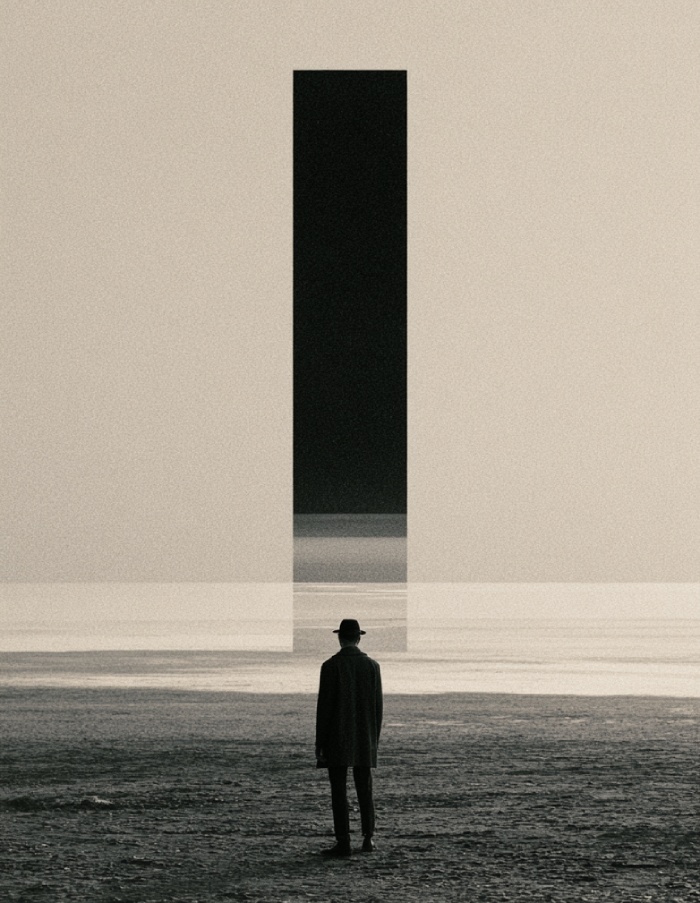
At some point in a man’s life, there is meant to be a moment of recognition. A moment when someone older, steadier, more seasoned looks at him and says, explicitly or implicitly, you are no longer a boy.
In many cultures, this moment is guided by a father or an elder, marking a transition from boy to man. It’s integrated into the being of the man, and this moment becomes a significant one in his life.
Today, life no longer pauses to acknowledge transitions. We move forward quickly, take on responsibility early, and adapt without ever being formally welcomed into manhood. For many men, this absence feels like something unfinished.
Most men don’t remember the moment it happened.
There wasn’t a ceremony. No clear line in the sand. No one sat them down and said, this is where boyhood ends, and responsibility begins.
Life just kept moving.
At some point, expectations increased. Pressure showed up. People started looking to them for strength, direction, and stability. And in the middle of all that, many men crossed an invisible threshold without guidance, without language, and without anyone naming what was happening.
That space, between growing up and truly being initiated into manhood, is a quiet gap most men learn to live with, even if they can’t quite explain it.
And it shapes far more of our lives than we realize.
Guidance Without a Ceremony
I grew up without my father present and I want to be clear about something, I had a great childhood. I was supported, encouraged, and given opportunities that shaped me in meaningful ways all thanks to my Mom.
Sports also played a huge role in that. Coaches became powerful guides. Teammates became brothers. Competition taught me discipline, accountability, and how to regulate myself under pressure. I learned how to commit, how to endure discomfort, and how to show up when it mattered.
I’m deeply grateful for that experience, because my life would have been drastically different without it.
Sports gave me structure and direction at a formative time in my life. But what I didn’t realize until much later was that while sports trained me to perform and persevere, they never paused long enough to mark who I was becoming.
There was no moment of integration. No conscious recognition that something internal had shifted.
Life simply moved on.
“The young man who has not been initiated will always look for a father in the wrong places.”
—Robert Bly
What Sports Gave Me
Sports function as a powerful modern substitute for initiation. They test a young man physically and mentally. They demand discipline. They reward effort. They create belonging through shared challenge.
What they rarely provide is reflection outside of loss.
When the season ends, you move on. When the career ends, you adapt and start a new path. There is very little space to ask what all of that training was shaping internally, or what identity you were carrying forward once the structure disappeared.
You don’t fall apart when it ends. You adjust. That adaptability is a strength.
But adaptation without integration often leaves questions lingering under the surface.
Living Without a North
This shows up later in life in subtle ways.
I see it in men who are capable, disciplined, and outwardly successful, yet quietly feel unanchored. They’re making good decisions, but not always clear ones. They’re moving forward, but not entirely sure what they’re orienting toward.
They’re not lost. They’re functional.
But something deeper is missing. Not motivation. Not ambition.
Direction.
When manhood isn’t consciously marked, many men end up navigating life by momentum rather than meaning. They rely on achievement, responsibility, and busyness to create structure, without ever clarifying what actually matters to them now.
It’s a natural outcome of growth that was never fully acknowledged.
The Unfinished Crossing
In traditional rites of passage, the crossing mattered as much as the challenge itself. The struggle was witnessed. The transformation was named. The old identity was honoured, and the new one was consciously stepped into.
Most men today cross major thresholds alone:
Leaving home.
Becoming a provider
Becoming a partner, a father, a leader.
There is no ceremony. No acknowledgment. No pause.
You wake up one day, expected to be a man, without anyone ever slowing down enough to help define what that means for you.
So you improvise. You borrow identities from your role models. You wear the mask. You keep going.
Life works, until it feels slightly incomplete.
Why Intentional Rites Still Matter
This is one of the reasons we created The Balanced Man experience, and I want to be precise about this.
It’s not about fixing men.
It’s not about healing wounds.
It’s not about replacing fathers, coaches, or mentors.
It’s about creating intentional pauses in a world that never stops moving.
Spaces where men can step out of momentum long enough to reflect, integrate, and choose how they want to move forward consciously, rather than by default. Where growth is witnessed. Where responsibility is acknowledged. Where the man you’ve already become is recognized, and the man you’re becoming is chosen deliberately.
A modern rite of passage isn’t about proving toughness.
It’s about slowing down long enough to orient yourself and figure out what matters most.
When a transition isn’t named, it tends to linger quietly in the background, asking for attention
You don’t need to go backward to resolve that.
You just need the courage to pause, reflect, and decide how you want to move forward.
And that takes self-leadership, from the inside out.
Written By

Ahren Cadieux
Ahren is the Co-Founder of The Balanced Man, and is passionate about exploring mindset, personal growth, and the power of brotherhood.